Pull up any sales pipeline at random and you'll find the same three problems. Deals that went cold months ago still sitting in "Negotiation" because nobody archived them. Stage definitions that mean something different to every rep on the team. And a forecast number that the CEO treats as gospel but is really just arithmetic applied to optimism.
A SaaS company in Noida told us their pipeline showed ₹4.2 crore in open deals last quarter. Actual closed revenue came in at ₹1.1 crore. That's not a forecasting error. That's a pipeline management problem dressed up as a forecasting one.
AI doesn't fix bad sales execution. But it's remarkably good at stripping away the fiction and showing you what's actually happening inside your pipeline.
What AI Adds That Spreadsheets Can't
Predictive Deal Scoring
Traditional pipelines assign probability by stage. Proposal = 50%. Negotiation = 75%. The trouble is, two deals in the same stage can have completely different odds of closing.
Deal A: engaged champion, multiple stakeholders involved, fast email responses, and a pattern that matches deals that historically closed. AI scores it at 82%.
Deal B: single contact who's gone quiet for two weeks, no engagement with the last three emails, pattern match to deals that typically stall and die. AI scores it at 14%.
Both are sitting in "Proposal." A stage-based model gives them both 50%. AI tells you which one to actually spend your Tuesday on.
Automated Stage Suggestions
Reps forget to update deal stages. It's not malice, it's just that updating a dropdown in the CRM isn't anyone's idea of a good time. So deals sit in optimistic positions longer than they should.
AI monitors engagement signals and nudges stage changes.
"This deal has had no activity for 14 days and the prospect hasn't opened your last 3 emails. Consider moving to Stalled."
"This deal's primary contact forwarded your proposal to their CFO, and two other people viewed your pricing page today. Consider advancing to Negotiation."
The rep still makes the call. But the system ensures no deal quietly rots in the pipeline because nobody was watching.
Pipeline Health Diagnostics
Instead of discovering problems in the Friday review, AI flags them in real time.
"Pipeline coverage has dropped below 2.5× target. You need more new opportunities in the next two weeks to maintain monthly revenue trajectory."
"43% of your pipeline has been in the same stage for more than 2× the average cycle. These deals are likely dead weight inflating your numbers."
"Enterprise segment conversion is 15% lower this quarter than last. Worth investigating whether competitive dynamics have shifted."
These aren't insights you'd never figure out on your own. They're insights you'd figure out three weeks too late.
Intelligent Prioritization
With 80-100 open deals, where should the team focus today? AI ranks by a combination of probability, deal value, and urgency.
A ₹8 lakh deal at 80% probability closing in 5 days gets priority over a ₹15 lakh deal at 30% with no close date. The math is obvious when you see it laid out. But without continuous recalculation, reps default to working whatever's top of mind or whoever emailed last.
Setting Up an AI-Enhanced Pipeline That Actually Works
There's a right order to this, and skipping steps is how rollouts fail.
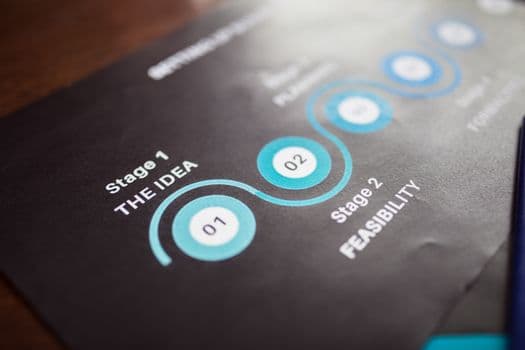
Step 1: Define stages with objective exit criteria. AI needs structure. "Interested" and "In Progress" are meaningless labels the model can't measure against. "Demo Completed" and "Proposal Sent" are verifiable events.
Step 2: Get activity logging consistent. AI predictions are only as good as the input data. If half your reps aren't logging calls and meetings, the model has blind spots covering half your pipeline. This is the unsexy prerequisite that most teams skip.
Step 3: Turn on AI scoring and let it run for 2-3 months. Don't announce it to the team yet. Just let it score deals alongside your existing process and compare outcomes at the end of each month.
Step 4: Build workflows around AI signals. High-probability deals get accelerated follow-up sequences. At-risk deals get automatic manager alerts. Deals stalled past 2× average cycle get archived after a defined grace period.
Step 5: Replace "how do you feel about this deal" with "what does the data show." Use AI pipeline analytics in weekly reviews. This is the cultural shift, and it's honestly the hardest step.
The Signals AI Tracks Continuously
Deal velocity. How quickly this deal is moving through stages compared to historical averages. Slower than normal is a warning sign, even if the rep says everything's fine.
Engagement trends. Is prospect engagement increasing, stable, or declining? A deal where email opens and meeting attendance are trending down is in trouble, regardless of what stage it's in.
Stakeholder depth. How many people from the prospect's organization are engaged? Multi-threaded deals close at significantly higher rates than single-threaded ones. If only one person has opened your emails, that's a concentration risk.
Competitive indicators. Is the prospect simultaneously evaluating alternatives? Website behavior, content consumption patterns, and conversation analysis can surface this.
Time-in-stage anomalies. A deal stuck 2× longer than similar deals that eventually closed is behaving like deals that didn't close. The model catches this even when the rep insists "they're just slow decision-makers."
What the Numbers Look Like After Implementation
Across deployments we've seen, the typical results cluster around these ranges.
20-30% improvement in forecast accuracy. AI probabilities are simply more reliable than human estimates because they don't have ego or optimism built in.
15-25% increase in win rates. Not because the product got better, but because reps concentrate effort on deals with genuine momentum instead of spreading attention evenly across everything.
20-30% shorter sales cycles. Stalled deals get identified and addressed weeks earlier than they would through manual review.
40-50% reduction in dead pipeline. Deals that aren't going anywhere get surfaced and archived instead of sitting in the pipeline inflating coverage ratios.
The compound effect: most companies see 15-25% revenue growth within 6-12 months of implementing AI pipeline management. Same team, same leads, same product. Just better visibility into what's real and what isn't.
Frequently Asked Questions
How much CRM data do we need before AI pipeline scoring is reliable?
You'll want at least 6 months of deal history and 100+ closed-won and closed-lost outcomes. Below that threshold, the model doesn't have enough examples to distinguish winning patterns from losing ones.
Will AI scoring demoralize reps whose deals get scored low?
It can, if you roll it out wrong. Frame it as a coaching tool, not a judgment tool. A low score isn't "your deal is bad." It's "this deal needs specific attention to get back on track." Managers who use scores to open coaching conversations rather than assign blame get much better adoption.
Can AI pipeline management work for very long sales cycles (6+ months)?
Long cycles are actually where it helps most. The longer a deal takes, the more data points the model collects and the more accurately it can predict outcomes. It's also where human bias is strongest, because reps emotionally anchor to deals they've worked on for months.
What's the difference between pipeline scoring and lead scoring?
Lead scoring predicts whether an inbound lead will become a qualified opportunity. Pipeline scoring predicts whether an existing opportunity will actually close, and when. Both use machine learning, but they answer fundamentally different questions at different stages of the funnel.
Does this replace the weekly pipeline review meeting?
It shouldn't. But it should transform what happens in that meeting. Instead of reps narrating deal status for 45 minutes, the manager walks in already knowing which deals are healthy, which are at risk, and which are dead. The meeting becomes about strategy and coaching, not status updates.
Leadify Labs builds AI pipeline management into the CRM rather than bolting it on as an afterthought. Deal scoring, stage suggestions, health diagnostics, and prioritization all run continuously on your live data. If your pipeline currently tells you what you want to hear instead of what you need to know, that's the specific problem we solve.